
At their core, designer clothes are about intentional design. Every stitch, fabric choice, and silhouette is carefully planned. This is what separates designer fashion from standard retail clothing.
Key Characteristics of Designer Clothes
Designer clothing stands out because of several defining features:
- Premium materials such as silk, cashmere, fine wool, leather, and organic cotton
- Expert craftsmanship, often involving hand-finishing or skilled tailoring
- Limited production, which increases exclusivity
- Recognizable branding and signature design elements
- Higher durability compared to fast fashion alternatives
Many designer clothes are created in smaller quantities, which helps maintain quality and brand prestige. This exclusivity is a major reason designer fashion holds its value over time.
Designer Clothes vs Regular Clothing
To better understand the difference, here is a simple comparison:
| Feature | Designer Clothes | Regular Clothing |
|---|---|---|
| Material Quality | Premium, long-lasting fabrics | Lower-cost materials |
| Craftsmanship | Expert tailoring, fine details | Mass production |
| Price | High initial cost | Affordable |
| Durability | Designed to last years | Often wears out quickly |
| Brand Value | Strong heritage and recognition | Minimal brand identity |
While regular clothing focuses on affordability and speed, designer clothes emphasize quality over quantity.
What Makes Clothes “Designer”?
Not every expensive item is considered designer. For clothing to qualify as designer fashion, it usually meets several criteria:
- Designed by a recognized fashion designer or luxury brand
- Produced under strict quality control
- Sold through official boutiques, luxury retailers, or verified platforms
- Backed by a brand story, heritage, or creative vision
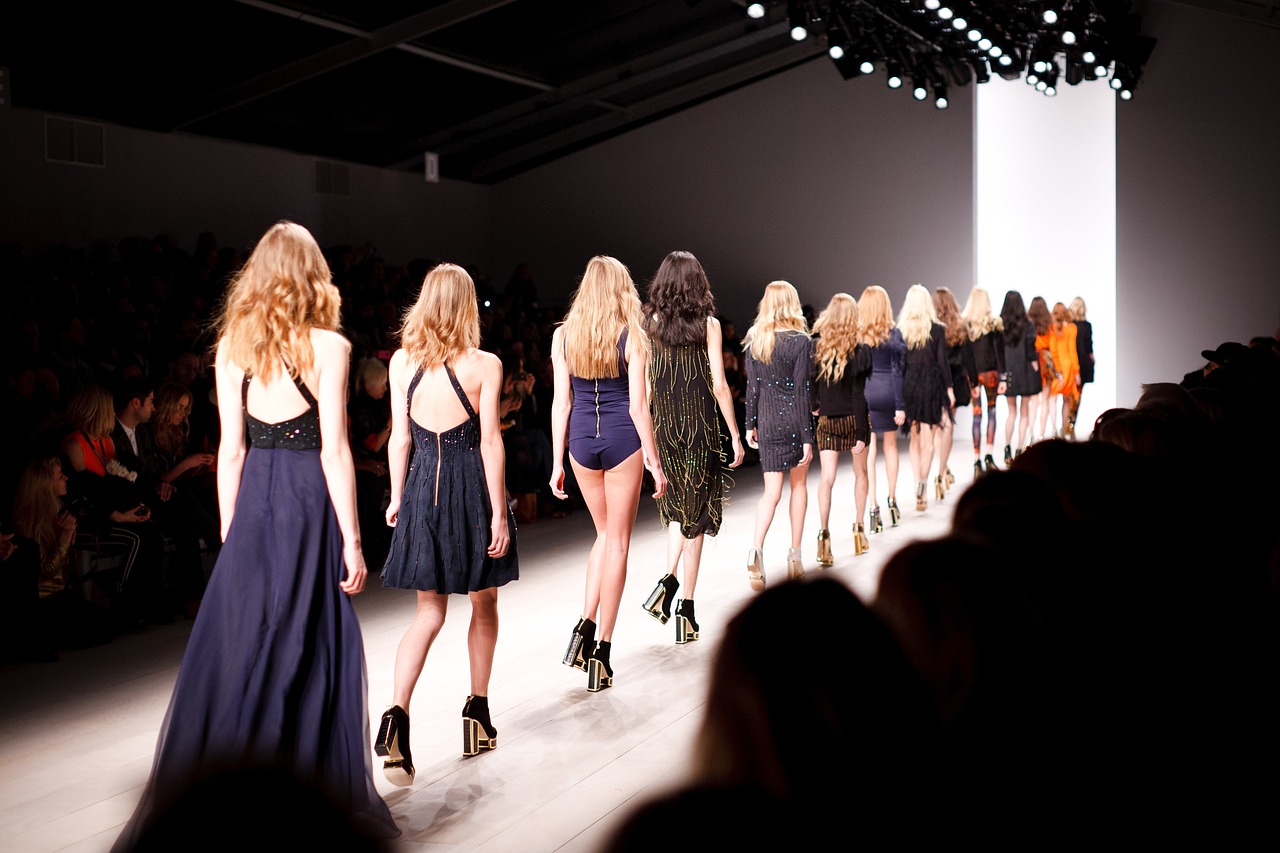
Designer clothes often debut on fashion runways before reaching stores. These collections set trends that influence the entire fashion industry.
Examples of Well-Known Designer Clothes
Some globally recognized designer clothing brands include:
- Luxury fashion houses known for heritage and craftsmanship
- Contemporary designer brands blending luxury with everyday wear
- Designer streetwear labels combining fashion and youth culture
Each category serves a different audience, but all fall under the umbrella of designer clothes due to their quality, creativity, and brand authority.
“Fashion is architecture: it is a matter of proportions.” — Coco Chanel
In short, designer clothes are not just about logos or high prices. They are about design excellence, durability, and identity. Understanding what defines designer clothing helps buyers make informed choices and appreciate the value behind each piece.


Comments are closed, but trackbacks and pingbacks are open.