
How to Start Designing Your Own Clothes: A Complete Beginner Guide
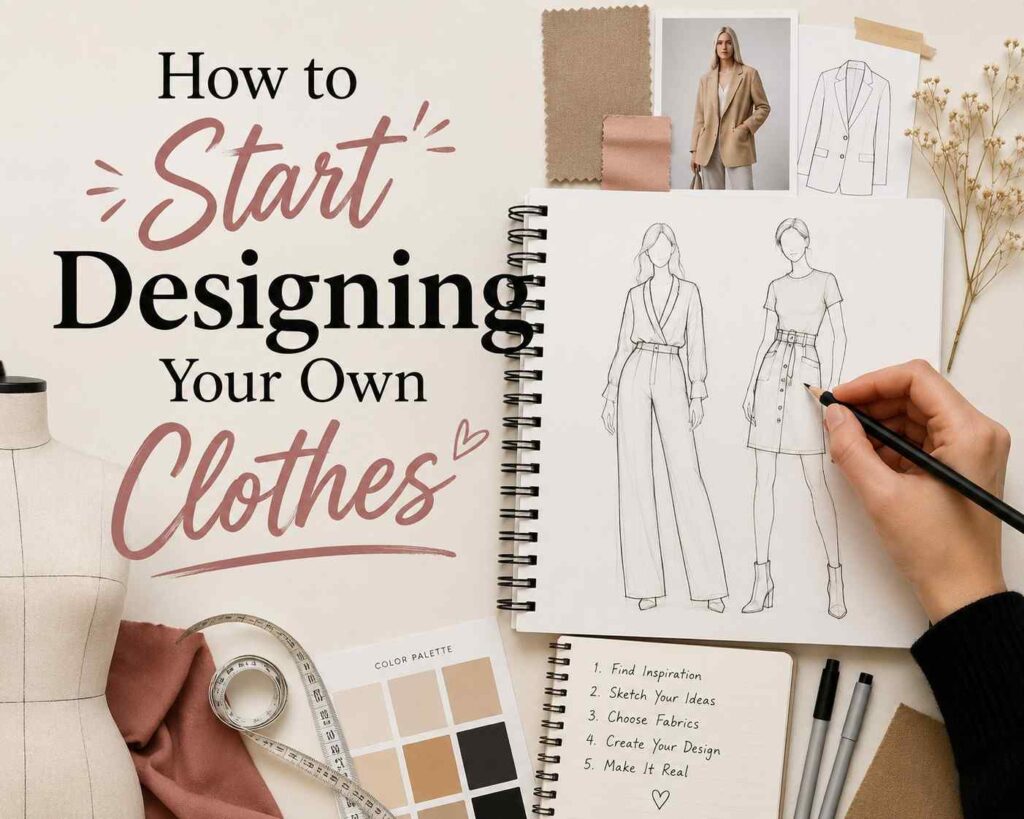
Designing your own clothes is a creative and practical skill that allows you to transform ideas in your imagination into real, wearable garments. For beginners, it may seem like a complex process reserved only for professional fashion designers, but in reality, it is something anyone can learn step by step with patience and practice. The key is not to rush into advanced techniques but to build a strong foundation in creativity, observation, and basic design principles.
At the very beginning, clothing design is all about developing a visual mindset. This means learning to observe the clothes people wear around you and understanding how shapes, colors, and fabrics work together. You start noticing details such as why a certain dress looks elegant, how the fit of a shirt changes its overall appearance, or why some outfits feel more modern or traditional. This kind of awareness becomes the base of your design thinking.
Another important part of starting your clothing design journey is learning how to express ideas visually. Most beginners begin with rough sketches, even if they are not perfect. These sketches act as a bridge between imagination and reality. You don’t need advanced drawing skills at first; simple outlines and shapes are enough to communicate your ideas. Over time, your sketches become more refined as you understand proportions, garment structure, and style details.
Alongside creativity, practical knowledge also plays a big role. Understanding fabrics, textures, and basic sewing concepts helps you realize whether your designs can actually be made in real life. For example, a flowing dress might require soft fabric like chiffon, while a structured jacket needs something sturdier like denim or cotton twill. Learning these basics early helps you avoid design ideas that look good on paper but are difficult to construct.
Understanding the Basics of Clothing Design
Clothing design is more than just drawing stylish outfits—it is a structured creative process that combines imagination, technical knowledge, and practical execution. Before you start designing your own clothes, it is important to understand how the fashion design process works from idea to finished garment. This foundation helps beginners avoid confusion and builds a realistic understanding of what it takes to create wearable clothing.
At its core, fashion design involves identifying inspiration, sketching ideas, selecting appropriate fabrics, creating patterns, and finally constructing the garment. Each stage requires attention to detail and a willingness to experiment. Many beginners assume they must be highly skilled before starting, but in reality, learning happens during the process itself. The more you practice, the more naturally your design sense develops.
Another important aspect is understanding that fashion design is both artistic and functional. A design may look beautiful on paper, but it must also be comfortable, durable, and practical to wear. This balance between creativity and usability is what separates casual sketching from professional clothing design.
Additionally, modern clothing design is influenced by digital tools, global fashion trends, and sustainable practices. Beginners today have access to more learning resources than ever before, making it easier to develop skills step-by-step.
What is fashion design?
Fashion design is the process of creating clothing and accessories that combine aesthetics, functionality, and personal expression. It involves transforming an idea into a wearable product through a series of structured steps such as sketching, fabric selection, pattern making, and sewing.
For beginners, it is helpful to think of fashion design as storytelling through clothing. Each outfit communicates a mood, identity, or cultural influence. Designers use shapes, colors, textures, and fabric choices to express ideas visually and practically. Unlike simple drawing, fashion design requires understanding how fabric behaves on the human body.
In professional practice, fashion designers often work with teams that include pattern makers, tailors, and textile experts. However, when starting out, one person can manage the entire process on a small scale. This makes it accessible for beginners who want to start at home.
Fashion design also includes understanding trends, customer needs, and seasonal styles. While creativity is essential, successful designs also align with what people want to wear. This balance between artistic expression and market understanding is what makes fashion design both exciting and challenging.
Role of creativity in clothing design
Creativity is the heart of clothing design. It allows designers to explore new ideas, experiment with different styles, and develop unique fashion identities. Without creativity, clothing would simply be repetitive and functional. With creativity, it becomes expressive and meaningful.
In my experience, creativity often starts with observation. Everyday life—nature, architecture, culture, and even emotions—can become inspiration for clothing ideas. For example, the flow of water might inspire a soft, draped dress design, while urban street patterns may lead to structured, edgy outfits.
However, creativity in fashion is not just about imagination; it also involves problem-solving. Designers must figure out how to turn an idea into a real garment using available materials and techniques. This requires flexibility and experimentation.
Another important point is that creativity improves with practice. Beginners often feel they are not “creative enough,” but creativity is a skill that develops over time. Sketching regularly, studying fashion references, and experimenting with fabrics all help strengthen creative thinking.
Understanding fashion design workflow
The fashion design workflow is a step-by-step process that guides a design from concept to completion. Understanding this workflow is essential for beginners because it prevents confusion and helps organize ideas effectively.
The process usually begins with inspiration gathering. Designers explore ideas through mood boards, fashion magazines, or digital platforms. Once the concept is clear, they move to sketching rough designs. These sketches are not final drawings but visual drafts of ideas.
Next comes fabric selection, where designers choose materials based on texture, weight, and purpose. After that, pattern making is done to create templates for cutting fabric accurately. Sewing and garment construction follow, where the design becomes a physical product.
Finally, the garment is tested and adjusted for fit and comfort. This workflow ensures that creativity is balanced with technical execution. Beginners who follow this structured process often find it easier to stay consistent and improve faster in clothing design.
Essential Skills and Tools for Beginners
Before you begin designing clothes, it is important to develop basic skills and gather essential tools. These fundamentals help you transform ideas into real garments efficiently. Many beginners focus only on sketching, but fashion design requires a combination of artistic, technical, and practical abilities.
Key skills include sketching, understanding fabric types, basic sewing knowledge, and visual composition. These skills do not need to be mastered immediately but should be developed gradually. Alongside skills, having the right tools makes the learning process smoother and more enjoyable.
Tools like sketchbooks, measuring tapes, fabric scissors, and sewing machines form the backbone of beginner fashion design setups. Digital tools also play an increasing role, allowing designers to create virtual designs before physical production.
Developing skills and using tools together helps create a balanced learning experience. It allows beginners to move from imagination to execution without unnecessary frustration or delays.
Basic fashion sketching skills
Fashion sketching is the first step in visually expressing clothing ideas. It allows designers to communicate shapes, styles, and garment structures before creating the actual product. For beginners, sketching may feel challenging at first, but it improves quickly with practice.
You don’t need advanced drawing skills to start. Simple human outlines or fashion figures are enough. The goal is not perfection but clarity of design ideas. Even rough sketches can effectively communicate clothing concepts.
Sketching also helps you experiment with proportions, sleeve designs, dress lengths, and fabric flow. It allows you to visualize how an outfit might look when worn. Over time, you can refine your sketching style and add more detail such as shading and textures.
Sewing machine and tools overview
A sewing machine is one of the most important tools in clothing design because it allows you to construct garments efficiently and professionally. While hand sewing is useful for small details, machine stitching provides durability and speed.
Beginners should start with a basic sewing machine that includes straight stitch and zigzag stitch functions. Learning how to thread the machine and control fabric movement is essential before starting complex projects.
Additional tools include measuring tape, fabric scissors, pins, and chalk markers. Each tool plays a specific role in garment construction and ensures accuracy in design execution.
Digital tools for fashion design
Digital tools have become an important part of modern fashion design. They allow designers to create, edit, and visualize clothing ideas more efficiently than traditional methods alone.
Programs like Adobe Illustrator or fashion design apps help create technical sketches and layouts. These tools allow quick modifications without wasting materials.
However, digital tools should complement not replace hands-on practice. Combining both creates a stronger foundation in fashion design.
How to Start Designing Your Own Clothes Step-by-Step
Designing clothes becomes easier when broken into clear steps. Beginners should follow a structured approach that builds confidence gradually. Instead of trying to create a perfect outfit immediately, the focus should be on learning each stage of the process one by one. This step-by-step method helps you understand both the creative and technical sides of fashion design.
The process begins with inspiration, moves to sketching, and continues with fabric selection and garment construction. Each stage is connected to the next, so a strong start in inspiration and planning makes the rest of the journey much smoother and more effective.
Finding inspiration for your designs
Inspiration is the starting point of every clothing design. It helps define what you want to create and the message behind your outfit. Without inspiration, designs can feel random or disconnected, so this step is essential for building a clear creative direction.
You can find inspiration from many sources such as nature, architecture, street fashion, cultural heritage, movies, art, and even personal experiences. Observing how colors appear in nature or how people style outfits in everyday life can spark unique design ideas. Fashion trends from magazines and social media platforms can also help you understand what styles are currently popular.
A very useful method for beginners is creating a mood board. This can be done digitally or on paper by collecting images, color palettes, fabric textures, and design ideas in one place. Organizing inspiration visually helps you see patterns in your preferences and develop a stronger design identity. Over time, this becomes your personal style reference for future projects.
Creating your first rough sketches
Once you have a clear idea, the next step is turning those thoughts into rough sketches. These sketches act as the first visual representation of your design ideas. At this stage, perfection is not important; clarity of concept is what matters most.
Begin by drawing simple human figures or basic outlines called croquis. Focus on the overall silhouette of the outfit rather than small details. Ask yourself questions like: Is the outfit fitted or loose? Is it long or short? What shape does it create on the body?
As you continue practicing, your sketches will naturally improve. You will start adding more detail such as sleeves, collars, seams, and patterns. You will also learn how to show fabric movement and texture, which makes your designs look more realistic and professional. Keeping a consistent sketchbook helps track your progress and improves creativity over time.
Turning sketches into real garments
This is the stage where your ideas move from paper into reality. It is one of the most exciting but also challenging parts of clothing design. Here, your focus shifts from creativity to practical execution.
The process includes selecting suitable fabric, creating patterns, cutting fabric pieces, and sewing them together. Each step requires patience and attention to detail. Fabric choice is especially important because it affects how your final garment looks and fits. For example, soft fabrics work well for flowy dresses, while structured fabrics are better for tailored outfits.
Beginners should start with simple projects such as basic tops, skirts, or tote bags before attempting complex designs. This helps build confidence and sewing skills gradually. Testing the fit during construction is also very important. Small adjustments at this stage can significantly improve the final result and ensure the garment matches your original design idea.
| Step | What You Do | AEO (Clear Answer Focus) | GEO (Practical/Generative Flow) |
|---|---|---|---|
| 1. Inspiration | Gather ideas from nature, fashion trends, culture, and daily life | Start by collecting ideas that define your clothing design direction | Builds creative foundation and personal style identity |
| 2. Mood Board | Organize images, colors, and fabric ideas in one place | Helps clarify what kind of clothes you want to design | Creates a visual reference for consistent design output |
| 3. Rough Sketching | Draw basic outfit ideas and silhouettes | Convert ideas into simple visual sketches | Helps shape proportions and garment structure |
| 4. Fabric Selection | Choose suitable fabrics like cotton, denim, or chiffon | Match fabric type with design purpose and comfort | Ensures design can be realistically produced |
| 5. Pattern Making | Create templates for cutting fabric pieces | Converts sketch into structured garment plan | Enables accurate construction of clothing |
| 6. Cutting & Sewing | Cut fabric and stitch pieces together | Turns design into real wearable clothing | Brings digital/idea stage into physical product |
| 7. Testing & Adjustment | Try fitting and fix issues in size or shape | Improves fit, comfort, and final look | Refines garment into professional-quality output |
Creating Your First Clothing Design Concept
A strong concept is the foundation of any successful clothing design. It works like a blueprint that guides every decision you make—from the style and fabric to the final construction. Without a clear concept, designs often become inconsistent or lack direction. For beginners, developing a simple but focused concept helps turn random ideas into a structured creative plan.
A clothing design concept usually combines inspiration, personal taste, and the purpose of the garment. It answers key questions like what you are designing, who it is for, and what message or style it represents. Once your concept is clear, every step such as sketching, fabric selection, and sewing becomes much easier and more meaningful.
Defining your personal style
Your personal style is the core of your design identity. It reflects your creative personality and determines the type of clothing you naturally prefer to design. This style is not fixed—it evolves as you gain more experience and exposure to different fashion ideas.
To define your personal style, start by observing the clothes you are drawn to. You may prefer minimal and clean designs, bold and experimental outfits, traditional wear, or casual everyday fashion. Pay attention to colors, shapes, and fabrics you like most. Over time, these preferences help you build a consistent design identity.
It is also helpful to study fashion trends and different designers, but instead of copying them, focus on what elements resonate with you. Gradually, you will notice patterns in your choices, which will form the base of your unique design style.
Building mood boards for ideas
A mood board is a visual tool that helps you organize inspiration and clearly define your design direction. It acts as a creative map that keeps your ideas focused and structured throughout the design process.
You can create a mood board using printed images or digital platforms like Pinterest or Canva. Include fashion outfits, fabric textures, color palettes, patterns, and even lifestyle images that match your concept. The goal is to collect visuals that represent the feeling or theme of your design.
For beginners, mood boards are extremely useful because they remove confusion and provide clarity before sketching. Instead of starting with a blank page, you already have a visual guide that influences your design decisions. This makes your final clothing design more consistent and professional.
Planning DIY clothing design ideas
DIY clothing projects are one of the best ways for beginners to practice design skills in a simple and practical way. These projects help you understand how garments are actually made without requiring advanced technical knowledge.
Start with basic items such as T-shirts, skirts, tote bags, or simple dresses. These pieces are easier to construct and allow you to focus on learning essential skills like cutting, stitching, and fabric handling. As you gain confidence, you can gradually move to more complex designs.
DIY projects also help you experiment freely. You can try different colors, patterns, or fabric combinations without the pressure of perfection. Every small project improves your understanding of garment construction and brings you closer to creating your own complete fashion collection.
| Step | What You Do | AEO (Clear Understanding) | GEO (Practical Application Flow) |
|---|---|---|---|
| 1. Concept Building | Decide the main idea of your clothing design (theme, purpose, style) | A strong concept guides all design decisions and keeps your work consistent | Gives direction for sketches, fabric choice, and final garment |
| 2. Defining Personal Style | Identify your preferred fashion style such as minimal, casual, streetwear, or traditional | Your personal style reflects your unique design identity | Helps you create consistent and recognizable designs over time |
| 3. Mood Board Creation | Collect images, colors, fabrics, and inspirations into one visual board | Organizes ideas and makes your design direction clear | Acts as a visual reference for sketching and fabric selection |
| 4. Idea Refinement | Filter and select the most suitable design ideas from your inspiration | Helps turn scattered ideas into a focused design plan | Improves creativity and avoids confusion during design process |
| 5. DIY Planning | Choose simple clothing items like T-shirts, skirts, or basic dresses for practice | Allows beginners to learn through hands-on experience | Builds practical sewing and construction skills step-by-step |
| 6. Style Consistency Check | Ensure all elements match your concept (color, fabric, shape, theme) | Maintains uniformity in your clothing design project | Produces a more professional and polished final outcome |
Choosing Fabrics and Materials
Fabric selection is one of the most important parts of clothing design because it directly affects how a garment looks, feels, fits, and lasts over time. Even a well-designed outfit can fail if the fabric choice is wrong. For beginners, learning how different fabrics behave helps you make better and more practical design decisions.
A good designer always considers fabric at the same level as sketching and styling because it determines the final outcome of the clothing piece. Understanding texture, weight, stretch, and durability is essential before starting any garment project.
Understanding different fabric types
Different fabrics have different properties, and each one serves a specific purpose in clothing design. Cotton is one of the best fabrics for beginners because it is easy to cut, sew, and manage. It is breathable and comfortable, making it ideal for everyday wear like shirts and casual outfits.
Silk, on the other hand, is delicate and smooth, often used in luxury or formal wear. It requires careful handling because it can slip and tear easily during sewing. Denim is a strong and heavy fabric commonly used for jeans, jackets, and structured clothing. It holds its shape well and is highly durable.
Linen is a lightweight and breathable fabric that works well for summer clothing. It has a natural texture and gives a relaxed, elegant look to designs. Learning these basic fabric types helps beginners understand which material suits their design idea best.
Matching fabric with design
Choosing the right fabric for your design is essential for achieving the desired look and function. Every design has a specific shape and movement, and fabric plays a key role in bringing that vision to life.
Lightweight and soft fabrics like chiffon, cotton, or silk are best for flowy dresses, skirts, and loose-fitting outfits because they allow natural movement. These fabrics create a soft and elegant appearance.
Structured fabrics like denim, twill, or heavy cotton are better for tailored clothing such as jackets, trousers, and fitted tops. These materials hold their shape and give a more defined and professional look to garments.
Matching fabric correctly with design ensures that your final piece not only looks good but also feels comfortable and practical to wear.
Fabric care and quality tips
Understanding fabric quality is just as important as choosing the right type. Before using any fabric, always check its texture, strength, and durability. A good-quality fabric should feel consistent, not too rough or too weak, and should suit the purpose of your design.
It is also important to test for shrinkage before cutting the fabric. Some fabrics change size after washing, which can affect the final fit of the garment. Pre-washing fabric is a good practice to avoid such issues.
In addition, check how the fabric reacts to sewing, stretching, and folding. This helps you avoid problems during construction and ensures a longer-lasting final product. Taking care of these small details improves the overall quality and professionalism of your clothing design.
Pattern Making and Sewing Basics
Pattern making and sewing are the practical backbone of clothing design. While sketches and ideas define the creative side, these two steps transform your design into a real, wearable garment. Pattern making ensures accuracy in size and shape, while sewing brings all fabric pieces together into a finished product. For beginners, learning these basics builds confidence and helps avoid common construction mistakes.
Understanding these skills early allows you to move from simple DIY projects to more professional-quality clothing pieces. Even basic knowledge of patterns and stitching can significantly improve the fit, structure, and durability of your designs.
Introduction to pattern making basics
Pattern making is the process of creating templates that are used to cut fabric accurately. These templates act as a guide for each part of the garment, such as sleeves, front panels, back panels, collars, and waistbands. Without patterns, cutting fabric becomes guesswork, which often leads to poor fitting and uneven shapes.
Beginners usually start with simple paper patterns or trace existing clothing pieces. This helps them understand how flat shapes translate into 3D garments. Learning basic measurements like bust, waist, hips, and length is also important because patterns are built based on body dimensions.
As you gain experience, you will learn how to modify patterns to create different styles such as fitted tops, loose dresses, or flared skirts. Pattern making is a skill that improves with practice and patience, but even simple understanding can greatly improve your design accuracy.
Sewing machine basics for beginners
A sewing machine is a key tool in garment construction, and learning its basic functions is essential for beginners. At first, it may look complicated, but most machines work with simple controls for stitching, thread tension, and speed.
Start by practicing straight stitching on scrap fabric. This helps you understand how to control the machine and maintain even stitch lines. Focus on guiding the fabric smoothly without forcing it, as the machine does most of the work.
It is also important to learn how to thread the machine properly, change needles, and adjust stitch length. These small technical skills make a big difference in the quality of your final garment. With regular practice, your confidence and control will naturally improve, making sewing feel much easier over time.
Assembling your first garment
Once your patterns are ready and fabric is cut, the next step is assembling your garment. This means joining different fabric pieces together step by step to create the final clothing item. Beginners should always follow a clear order to avoid mistakes and confusion.
Start by joining basic sections such as shoulder seams, side seams, and sleeves (if included). Then move on to finishing details like hems, necklines, and closures. Working slowly and carefully at each stage ensures better accuracy and cleaner results.
It is also important to constantly check alignment while sewing. Small adjustments during assembly can improve fit and prevent issues like uneven stitching or tight seams. As you complete more projects, assembling garments will become faster, smoother, and more professional in quality.
| Step | What You Do | AEO (Clear Learning Focus) | GEO (Practical Outcome Flow) |
|---|---|---|---|
| 1. Pattern Making Basics | Create paper templates for each clothing part (front, back, sleeves, etc.) | Patterns ensure correct sizing and accurate fabric cutting | Converts design sketch into structured garment blueprint |
| 2. Body Measurements | Take basic measurements like bust, waist, hips, and length | Helps create properly fitted clothing pieces | Ensures pattern matches real body dimensions |
| 3. Pattern Drafting | Draw and shape garment templates on paper or digital tools | Acts as a guide for cutting fabric precisely | Forms the base structure of the clothing design |
| 4. Sewing Machine Basics | Learn threading, straight stitching, and machine control | Builds confidence in handling sewing tools | Improves accuracy and fabric handling skills |
| 5. Practice Stitching | Sew on scrap fabric before real garments | Helps beginners gain control and reduce mistakes | Develops smooth and consistent stitching technique |
| 6. Garment Assembly | Join fabric pieces step-by-step (shoulders, sides, sleeves) | Brings all design parts together into a final outfit | Turns flat fabric pieces into a wearable garment |
| 7. Final Finishing | Add hems, edges, and adjustments for fit | Improves quality and durability of clothing | Gives a clean, professional final look |
Building a Personal Fashion Identity or Brand
A strong fashion identity is what separates a casual designer from a recognizable creator or brand. It represents your unique style, creative direction, and the type of clothing you consistently design. When your fashion identity is clear, people can instantly recognize your work without needing your name. This consistency builds trust, audience interest, and long-term growth in the fashion industry.
Developing a personal brand is not about copying trends—it is about understanding your creative strengths and expressing them through every design you create. Over time, your identity becomes the foundation of your fashion journey, whether you design for personal use, clients, or a business.
Creating a signature design style
A signature design style is your unique creative fingerprint. It includes your preferred silhouettes, colors, patterns, and fabric choices. When you consistently use similar design elements, your work becomes easily recognizable.
To develop a signature style, observe your previous sketches and completed designs. Look for patterns such as repeated shapes, favorite color palettes, or specific garment types you enjoy creating. You might naturally lean toward minimal designs, bold streetwear, elegant formal wear, or cultural fusion outfits.
It is important not to force a style too early. Instead, allow your design identity to evolve naturally through experimentation. Over time, your strongest and most comfortable design choices will form your signature style.
Showcasing your clothing designs online
In today’s digital world, social media platforms are powerful tools for fashion designers. Platforms like Instagram, Pinterest, TikTok, and Behance allow you to showcase your designs to a wider audience and receive valuable feedback.
Posting your sketches, finished garments, and behind-the-scenes process helps people understand your creative journey. This not only builds visibility but also improves your confidence as a designer.
Consistency is key when sharing your work online. Regular posting, clear presentation, and good lighting or photography can significantly improve how your designs are perceived. Over time, this online presence can help you attract clients, collaborations, or even build a personal brand.
Growing your fashion portfolio
A fashion portfolio is a collection of your best design work that shows your skills, creativity, and progress over time. It is an essential tool for any aspiring fashion designer.
Your portfolio can include sketches, mood boards, fabric experiments, finished garments, and DIY projects. It does not need to be perfect—it should simply reflect your journey and improvement.
As you grow, keep updating your portfolio with new and better work while removing outdated pieces. A well-organized portfolio helps you apply for fashion schools, freelance opportunities, or brand collaborations. It also serves as proof of your creativity and technical ability.
Common Mistakes Beginners Make in Fashion Design
Beginners often face challenges not because of lack of creativity, but due to avoidable mistakes in the learning process. Understanding these mistakes early can save time and improve skill development.
Fashion design is a balance between creativity and practicality. Ignoring either side can lead to designs that look good on paper but fail in real construction.
Overcomplicating early designs
One of the most common mistakes beginners make is trying to create overly complex designs too soon. While advanced outfits may look impressive, they require strong knowledge of sewing, fabric behavior, and pattern making.
Starting with simple garments like basic tops, skirts, or straight dresses helps build essential skills. Once you understand construction properly, you can gradually move toward more complex designs such as layered outfits or structured jackets.
Simplicity at the beginning allows you to focus on learning instead of struggling with unnecessary complexity.
Ignoring fabric behavior
Another major mistake is not understanding how different fabrics behave. Each fabric has its own texture, weight, stretch, and movement, which directly affects the final garment.
For example, using stiff fabric for a flowy design or soft fabric for a structured jacket can completely ruin the intended look. That is why fabric selection should always match the design concept.
Learning how fabrics react during cutting, sewing, and wearing is essential for producing successful clothing pieces.
Lack of practice and consistency
Fashion design is a skill that improves with regular practice. Many beginners lose motivation after a few attempts, which slows down their progress significantly.
Consistency is more important than talent in the early stages. Even simple daily sketching, small sewing exercises, or fabric experiments can greatly improve your understanding over time.
The more you practice, the more confident and skilled you become. Over time, consistency turns beginners into capable and creative fashion designers.
Frequently Asked Questions
How do I start designing clothes with no experience?
If you have no experience, the best way to start is by focusing on the basics rather than trying to create complete outfits immediately. Begin with simple sketching to express your ideas visually. You don’t need perfect drawing skills—basic shapes and rough outlines are enough to communicate your design concepts.
Alongside sketching, try small DIY projects such as designing simple T-shirts, tote bags, or basic skirts. These beginner projects help you understand how fabric behaves and how designs are actually constructed. At the same time, start learning basic sewing skills, even if it is just straight stitching at first. This combination of sketching, practice, and small projects builds a strong foundation for future fashion design work.
Do I need sewing skills to become a fashion designer?
Sewing skills are helpful but not absolutely required at the beginning of your fashion design journey. Many fashion designers start by focusing on creativity, sketching, and conceptual design while working with tailors or seamstresses to bring their ideas to life.
However, learning basic sewing is highly recommended because it gives you a better understanding of how garments are constructed. Even simple skills like threading a machine, sewing straight lines, and joining fabric pieces can greatly improve your design accuracy. Over time, sewing knowledge helps you communicate better with garment makers and improve the quality of your designs.
What tools do beginner fashion designers need?
Beginner fashion designers do not need expensive tools to get started. A simple set of basic tools is enough to begin learning and practicing.
Essential tools include a sketchbook for drawing ideas, pencils and erasers for rough sketches, measuring tape for body measurements, fabric scissors for cutting, and basic sewing supplies. A sewing machine is optional at the start but becomes very useful as you progress.
You may also use mood board materials, either physical or digital, to collect inspiration. As your skills improve, you can gradually add more advanced tools like pattern paper, tailoring rulers, and fabric markers.
How do I turn clothing ideas into real outfits?
Turning ideas into real outfits follows a step-by-step process that combines creativity and technical skills. First, you start by sketching your design idea to define the shape, style, and structure of the garment.
Next, you create patterns based on your sketch. These patterns act as guides for cutting fabric accurately. After that, you select suitable fabric that matches your design requirements in terms of texture, weight, and flexibility.
Once everything is prepared, you cut the fabric pieces according to your pattern and sew them together step by step. Finally, you test the fit and make necessary adjustments to improve comfort and appearance. This structured process helps transform a simple idea into a finished wearable outfit.
Is fashion design hard to learn?
Fashion design is not inherently hard, but it does require patience, creativity, and regular practice. Many beginners find it challenging at first because it involves both artistic and technical skills. However, once you understand the basics, the process becomes much easier and more enjoyable.
The key to learning fashion design is consistency. Small daily or weekly practice sessions in sketching, fabric handling, or sewing can significantly improve your skills over time. As you gain experience, tasks that once felt difficult will become natural and intuitive.
How long does it take to learn fashion design basics?
The time required to learn fashion design basics depends on how regularly you practice. On average, beginners can understand the fundamentals within a few months of consistent effort.
This includes learning basic sketching, understanding fabrics, practicing simple sewing techniques, and creating small DIY projects. However, becoming fully confident in designing complete garments may take longer, depending on your dedication and practice level.
The most important factor is consistency. Regular practice is more effective than occasional long study sessions.
Conclusion
Learning how to start designing your own clothes is a gradual but highly rewarding journey. It combines creativity, patience, and practical skill-building. With the right mindset and consistent effort, anyone can begin creating unique and meaningful clothing designs.
The key is to start small, focus on basic skills, and slowly build your knowledge through practice and experimentation. Every sketch, fabric test, and DIY project contributes to your growth as a designer.
As you continue learning, you will develop your own personal style and gain confidence in turning ideas into real garments. Over time, fashion design becomes not just a skill, but a powerful form of self-expression.

Comments are closed, but trackbacks and pingbacks are open.