
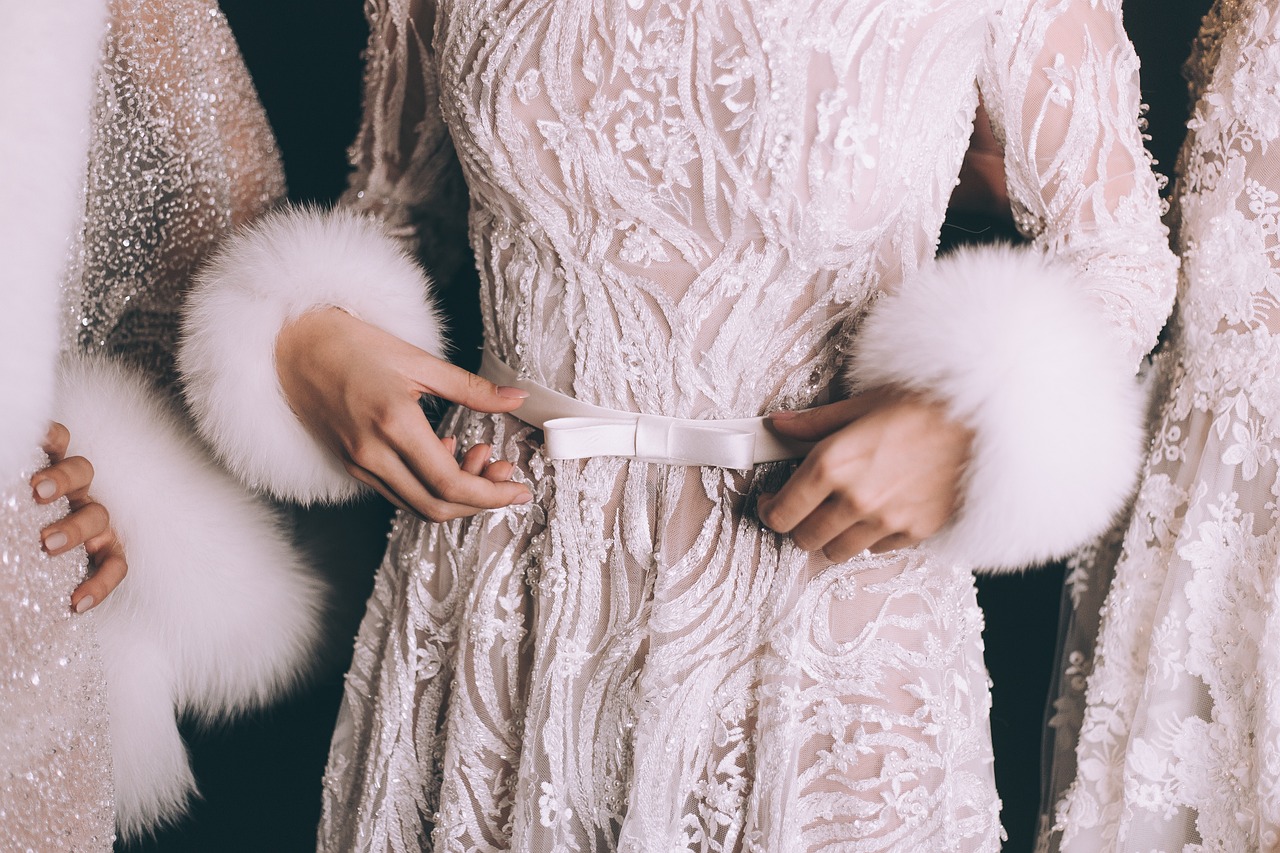
Designer clothes are more than just outfits. They represent luxury, craftsmanship, creativity, and personal style. People around the world buy designer clothing not only for fashion, but also for quality, status, and long-term value.
In this detailed guide, you will learn what designer clothes really are, why they are expensive, how they differ from regular clothing, and whether they are worth buying. This article is written for beginners as well as fashion lovers who want in-depth knowledge.
What Are Designer Clothes (Complete Definition for Beginners)
Designer clothes are high-quality garments created by professional fashion designers or well-known fashion houses. These clothes are known for their unique designs, premium fabrics, expert tailoring, and brand identity.
Unlike mass-produced clothing, designer clothing focuses on detail, originality, and durability. Every piece is carefully designed to reflect the designer’s vision and fashion standards.
In simple words, designer clothes are fashion pieces made with creativity and precision, not just for everyday use but also to make a statement.
Meaning of Designer Clothes in Fashion
In the fashion world, designer clothes refer to apparel made by:
- Famous fashion designers
- Luxury fashion brands
- High-end or emerging designer labels
Designer clothing usually appears in:
- International fashion weeks
- Seasonal runway shows
- Exclusive and limited collections
Important Fact:
A single designer outfit may take weeks or even months to design, test, and perfect before it is sold.
Difference Between Designer Clothes and Regular Clothing
Designer clothes are very different from regular or fast-fashion clothing.
| Feature | Designer Clothes | Regular Clothing |
|---|---|---|
| Design | Original and creative | Trend-based |
| Fabric | Premium quality | Standard materials |
| Stitching | Expert craftsmanship | Machine-made |
| Production | Limited quantities | Mass production |
| Durability | Long-lasting | Short-term use |
| Price | Expensive | Affordable |
Designer clothes focus on quality and identity, while regular clothes focus on affordability and speed.
Why Designer Clothing Is Considered Luxury
Designer clothes are called luxury fashion because they offer:
- High-end fabrics like silk, cashmere, and Italian wool
- Skilled craftsmanship, often handmade or hand-finished
- Exclusive designs not available everywhere
- Strong brand heritage and storytelling
- Limited availability, which increases value
Luxury fashion is not about owning more clothes, but owning better clothes.
These factors make designer clothing feel special and valuable.
Are Designer Clothes Worth the Price?
This is one of the most searched questions about designer clothes.
Designer clothes are worth the price if you:
- Prefer long-lasting clothing
- Value timeless fashion over trends
- Appreciate premium fabrics and tailoring
- Want clothes that keep their shape and quality
They may not be worth it if:
- You change styles very often
- Budget is your main priority
- You prefer fast fashion trends
📊 Fashion Insight:
High-quality designer clothes often last 3–5 times longer than fast-fashion items, reducing the cost per wear over time.
Summary of This Section
- Designer clothes are premium garments made by fashion designers or luxury brands
- They differ from regular clothes in quality, design, and craftsmanship
- Designer clothing is considered luxury because of materials, skill, and exclusivity
- Whether designer clothes are worth it depends on your lifestyle and budget
History of Designer Clothes and Luxury Fashion
The history of designer clothes is closely connected to the evolution of luxury fashion, craftsmanship, and cultural identity. Designer clothing did not appear overnight. It developed over centuries as fashion shifted from basic clothing to artistic and high-value creations.
Understanding the history of designer clothes helps explain why these garments are expensive, exclusive, and respected worldwide.
Origin of Designer Fashion Houses
Designer clothes began in the 19th century, when clothing started to move beyond simple tailoring.
One of the earliest fashion designers was Charles Frederick Worth, often called the father of haute couture. He introduced:
- Fashion labels sewn into garments
- Seasonal fashion collections
- Custom-made luxury clothing for elite clients
This marked the beginning of designer fashion houses, where clothes were associated with a designer’s name rather than just a tailor.
Key Point:
Before designer clothes, clothing makers were anonymous. Designer fashion introduced branding and identity into clothing.
How Designer Clothes Evolved Over Time
Designer clothes evolved with social, cultural, and economic changes.
- Early 1900s: Designer clothes were custom-made for royalty and the wealthy
- 1920s–1950s: Fashion houses expanded globally
- 1960s–1980s: Ready-to-wear designer clothing became popular
- 1990s–2000s: Designer brands turned into global luxury empires
- Today: Designer clothes mix tradition, technology, and innovation
This evolution made designer clothing more accessible, while still maintaining exclusivity.
Role of Fashion Capitals in Designer Clothing
Certain cities became global leaders in designer fashion.
Paris
- Birthplace of haute couture
- Home to legendary designers like Chanel and Dior
- Known for elegance and craftsmanship
Milan
- Famous for luxury tailoring and premium fabrics
- Strong focus on men’s designer clothes
London
- Known for bold, experimental designer fashion
- Home to creative and avant-garde designers
New York
- Focuses on modern, practical, and commercial designer clothing
- Strong influence on global fashion trends
These cities shape designer clothes trends worldwide.
How Modern Designer Brands Changed Global Fashion
Modern designer brands transformed fashion by:
- Creating ready-to-wear luxury collections
- Expanding into accessories, footwear, and fragrances
- Collaborating with celebrities and influencers
- Blending luxury fashion with streetwear
Designer clothes are no longer limited to elite circles. Today, they influence:
- Everyday fashion trends
- Social media style culture
- Global consumer behavior
📊 Industry Insight:
Luxury fashion brands now generate billions in revenue, proving the global demand for designer clothes continues to grow.
Why History Matters When Buying Designer Clothes
Knowing the history of designer clothes helps buyers:
- Understand brand value and reputation
- Identify timeless pieces over trends
- Appreciate craftsmanship and design philosophy
- Make smarter long-term fashion investments
Designer clothing is not just fashion. It is heritage, art, and innovation combined.
Summary of This Section
- Designer clothes originated in the 19th century
- Fashion houses introduced branding and exclusivity
- Paris, Milan, London, and New York shaped designer fashion
- Modern designer brands influence global style and culture
- History adds value and meaning to designer clothing
Why Designer Clothes Are So Expensive
One of the most common questions people ask is why designer clothes cost so much. The high price is not random. It reflects quality, craftsmanship, brand value, and exclusivity.
Designer clothing is created using a completely different process compared to regular or fast-fashion clothing.
Premium Fabrics and Materials Used in Designer Clothes
Designer clothes use high-quality, carefully sourced materials that are expensive and rare.
Common premium fabrics include:
- Italian wool
- Cashmere
- Pure silk
- Organic cotton
- Leather and suede
These materials:
- Feel better on the skin
- Last longer
- Maintain shape and color over time
Fact:
Luxury fabrics can cost 5–10 times more than standard fabrics used in fast fashion.
Craftsmanship and Handmade Detailing
Designer clothes often involve handmade or hand-finished work.
This includes:
- Hand stitching
- Custom tailoring
- Detailed embroidery
- Precision cutting
Each garment may pass through multiple skilled workers before completion.
Quality is never an accident; it is the result of skilled craftsmanship.
This level of craftsmanship increases production time and cost.
Brand Value and Fashion Heritage
Designer brands invest heavily in:
- Research and design
- Creative directors
- Fashion shows and marketing
- Brand storytelling and legacy
When you buy designer clothes, you are also paying for:
- Brand reputation
- Years of expertise
- Global recognition
Example:
Brands like Chanel and Dior have been shaping fashion for over 100 years.
Limited Editions and Exclusivity
Designer clothes are often produced in limited quantities.
This means:
- Fewer pieces available
- Higher exclusivity
- Greater demand
Limited availability increases value and makes designer clothing feel special.
📊 Supply vs Demand Insight:
| Type of Clothing | Production Volume | Price Impact |
|---|---|---|
| Fast Fashion | Very High | Low |
| Designer Clothes | Limited | High |
Designer Clothes vs Fast Fashion Pricing
| Factor | Designer Clothes | Fast Fashion |
|---|---|---|
| Fabric Quality | Premium | Low to medium |
| Production Time | Weeks or months | Days |
| Craftsmanship | Skilled labor | Machine-based |
| Durability | Long-term use | Short lifespan |
| Environmental Impact | Often controlled | High waste |
Although designer clothes cost more upfront, they often offer better cost per wear over time.
Are Designer Clothes Overpriced or Fairly Priced?
Designer clothes may seem expensive, but the price reflects:
- Materials
- Skill
- Time
- Brand value
For people who value quality, durability, and timeless fashion, designer clothes are often fairly priced.
Summary of This Section
- Designer clothes use premium and expensive materials
- Skilled craftsmanship increases production costs
- Brand heritage adds value to designer clothing
- Limited production creates exclusivity
- Designer clothes offer long-term value compared to fast fashion
Popular Types of Designer Clothes
Designer clothes come in many styles and categories to suit different genders, occasions, and lifestyles. Luxury fashion brands design collections that meet both fashion trends and practical needs, which is why designer clothing appeals to a wide audience.
Understanding the different types of designer clothes helps buyers choose pieces that match their personal style and budget.
Designer Clothes for Men
Men’s designer clothes focus on tailoring, structure, and refined details. These pieces are designed to look sharp while offering comfort and durability.
Common men’s designer clothing includes:
- Tailored suits and blazers
- Designer shirts and polos
- Luxury trousers and denim
- Designer jackets and coats
Men’s designer clothes are popular for business wear, formal events, and smart casual looks.
Designer Clothes for Women
Women’s designer clothes offer creativity, elegance, and versatility. Designers experiment with silhouettes, fabrics, and colors to create standout pieces.
Popular women’s designer clothing includes:
- Luxury dresses and gowns
- Designer tops and blouses
- Skirts and tailored pants
- Designer outerwear
Women’s designer clothes are often seen on runways, red carpets, and high-end events.
Designer Clothes for Kids
Designer clothes are also available for children, offering:
- High-quality fabrics
- Comfortable designs
- Stylish mini versions of adult fashion
Designer kids’ clothing is often chosen for special occasions such as weddings, parties, and photoshoots.
Casual Designer Clothing
Casual designer clothes combine comfort with luxury. These pieces are designed for everyday wear while maintaining a premium look.
Examples include:
- Designer t-shirts and hoodies
- Luxury jeans and joggers
- Casual dresses and knitwear
Casual designer clothing is popular among people who want effortless style.
Formal and Luxury Evening Wear
Formal designer clothes are known for:
- High-end fabrics
- Detailed craftsmanship
- Elegant silhouettes
These include:
- Evening gowns
- Tuxedos and formal suits
- Couture and runway pieces
Luxury evening wear is often custom-made or limited edition.
Designer Streetwear Clothing
Designer streetwear blends luxury fashion with urban style.
Key features:
- Bold logos and graphics
- Oversized fits
- Limited drops
Designer streetwear is especially popular among younger audiences and celebrities.
Seasonal Designer Fashion Collections
Designer brands release collections based on seasons:
- Spring/Summer collections
- Fall/Winter collections
- Resort and pre-fall lines
These collections reflect current trends, colors, and fabrics for each season.
Summary of This Section
- Designer clothes are available for men, women, and kids
- Categories include casual, formal, and streetwear fashion
- Designer clothing fits different lifestyles and occasions
- Seasonal collections keep designer fashion fresh and relevant
Top Designer Clothes Brands in the World
Designer clothes are closely linked to the brands that create them. Over the years, certain fashion houses have built a strong reputation for luxury, quality, innovation, and timeless style. These designer brands influence global fashion trends and set standards for luxury clothing.
Knowing top designer clothes brands helps buyers recognize quality, value, and authenticity.
Luxury Designer Brands Everyone Knows
These brands are globally recognized for their heritage and craftsmanship.
- Gucci – Known for bold designs, luxury fabrics, and iconic logos
- Louis Vuitton – Famous for leather goods and premium designer clothing
- Prada – Minimalist yet sophisticated designer fashion
- Chanel – Timeless elegance and classic designer clothes
- Dior – Luxury couture and modern designer clothing
These brands represent high-end designer fashion worldwide.
High-End Designer Clothing Brands for Men
Some designer clothes brands specialize in men’s fashion.
Popular men’s designer brands include:
- Armani
- Hugo Boss
- Tom Ford
- Brioni
These brands are known for tailored suits, luxury fabrics, and refined style.
Famous Designer Brands for Women
Women’s designer clothes brands focus on elegance, detail, and creativity.
Leading women’s designer brands include:
- Versace
- Valentino
- Givenchy
- Balenciaga
These brands are often featured in fashion shows and red-carpet events.
Emerging Designer Fashion Brands to Watch
New designer brands are reshaping luxury fashion with:
- Sustainable practices
- Modern designs
- Affordable luxury options
Emerging designer brands attract younger fashion-conscious buyers.
Affordable Luxury Designer Clothes Brands
Not all designer clothes are extremely expensive. Some brands offer entry-level luxury.
Examples include:
- Michael Kors
- Coach
- Ted Baker
These brands provide designer style at relatively lower prices.
Why Brand Matters When Buying Designer Clothes
Designer brands represent:
- Quality assurance
- Design consistency
- Authenticity
- Resale value
Buying from a trusted designer brand reduces the risk of counterfeit products.
Summary of This Section
- Designer clothes brands define luxury fashion
- Famous brands offer heritage and craftsmanship
- Men’s and women’s designer clothes vary by brand focus
- Emerging brands bring innovation to designer fashion
- Brand reputation affects quality and resale value
Designer Clothes vs Branded Clothes (Key Differences Explained)
Many people confuse designer clothes with branded clothes, but they are not the same. While both may carry a brand name, the quality, creativity, and value behind them can be very different.
Understanding this difference helps you make smarter fashion choices and avoid overpaying.
Design Originality and Creativity
Designer clothes focus on original design and creative vision.
- Created by professional fashion designers
- Designs often debut on runways
- Unique cuts, patterns, and details
Branded clothes, on the other hand:
- Follow existing trends
- Focus more on mass appeal
- Rarely introduce new fashion concepts
Designer clothing sets trends. Branded clothing follows them.
Quality and Durability Comparison
Designer clothes are known for superior quality.
- Premium fabrics
- Strong stitching
- Better fit and finishing
Branded clothes often use:
- Standard fabrics
- Machine-based stitching
- Faster production methods
📊 Durability Comparison:
| Clothing Type | Average Lifespan |
|---|---|
| Designer Clothes | 5–10 years |
| Branded Clothes | 1–3 years |
Pricing and Long-Term Value
Designer clothes usually cost more upfront.
However, they often:
- Last longer
- Maintain shape and color
- Offer better cost per wear
Branded clothes are cheaper initially but may require frequent replacement.
Brand Recognition vs Designer Reputation
Designer clothes are built on:
- Creative reputation
- Fashion heritage
- Designer identity
Branded clothes focus on:
- Marketing
- Logo visibility
- Mass market reach
A designer label represents art and craftsmanship, not just a name.
Which One Should You Choose
Choose designer clothes if:
- You value quality and originality
- You want long-term fashion investment
- You prefer timeless style
Choose branded clothes if:
- Budget is limited
- You prefer trend-based fashion
- You change styles frequently
Summary of This Section
- Designer clothes emphasize creativity and craftsmanship
- Branded clothes focus on mass production
- Designer clothing offers better durability and value
- Your choice depends on budget and lifestyle

Comments are closed, but trackbacks and pingbacks are open.