
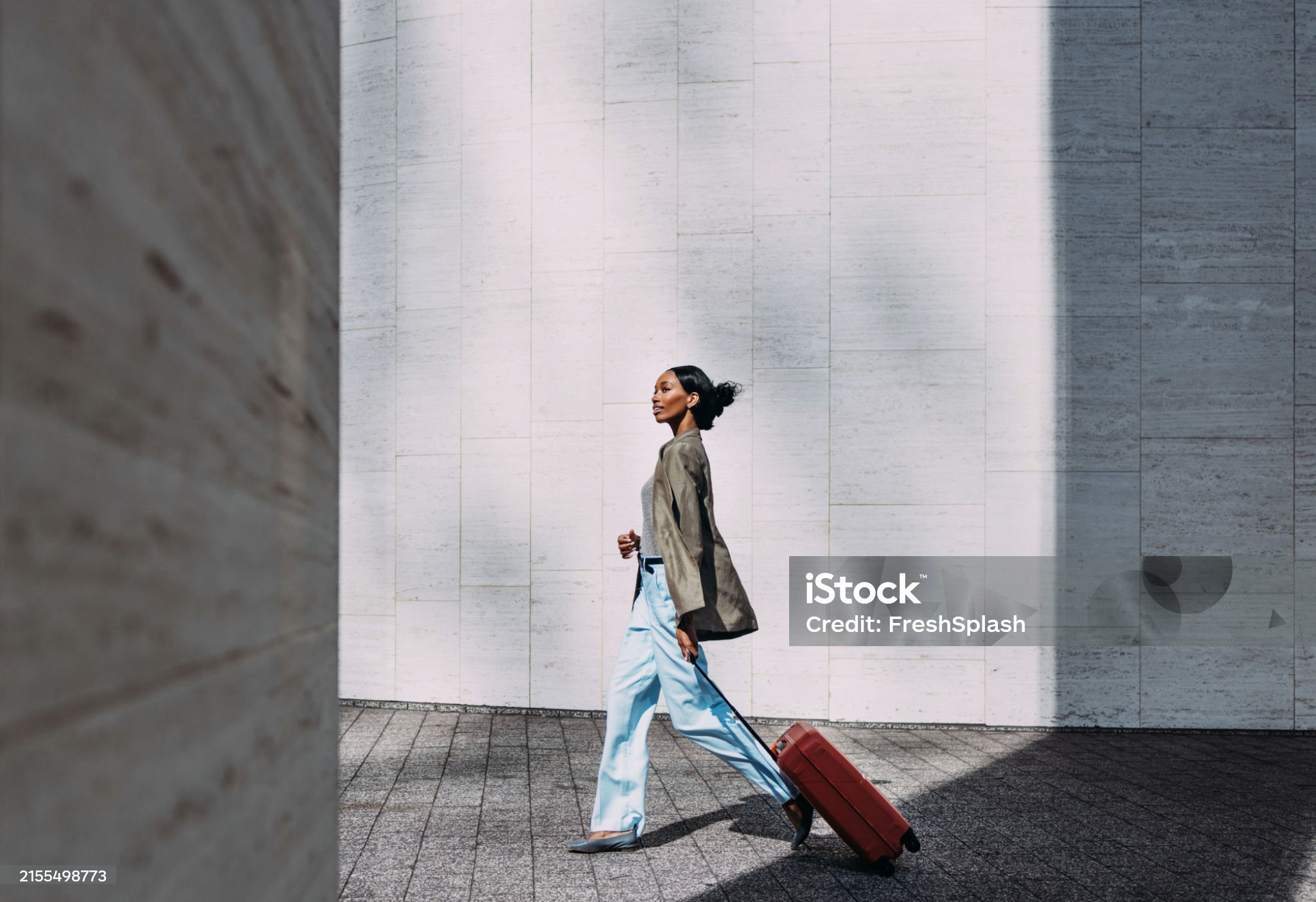
Designer clothes are more than just expensive outfits. They represent quality, craftsmanship, creativity, and status in the fashion world. Over time, designer clothing has become a symbol of luxury and personal style, shaping how people dress and express themselves.
Today, designer clothes are no longer limited to celebrities or fashion models. Many everyday shoppers now invest in designer clothing because of its better fabric quality, unique designs, and long-lasting wear. From classic luxury fashion houses to modern designer streetwear brands, designer clothes continue to dominate global fashion trends.
In this complete guide to designer clothes, you will learn:
- What designer clothes really are
- How designer clothes are different from regular clothing
- Why designer clothes are expensive
- Which designer brands are worth buying
- How to buy authentic designer clothes safely
- Whether designer clothing is a smart investment
This article is written in a simple and easy-to-read style, while still offering deep and useful knowledge for beginners and fashion lovers.
What Are Designer Clothes?
Designer clothes are high-end garments created by well-known fashion designers or luxury fashion brands. These clothes focus on original design, premium materials, and detailed craftsmanship, which makes them different from mass-produced clothing.
Unlike fast fashion or regular branded clothes, designer clothing emphasizes:
- Exclusive and original designs
- High-quality fabrics
- Precise tailoring and finishing
- Limited production runs
Designer clothes are usually made by established fashion houses that invest heavily in design research, skilled labor, ethical production, and brand identity.
Definition of Designer Clothes
Designer clothes are garments produced by recognized fashion designers or luxury brands that meet strict quality standards. These clothes often cost more because of their craftsmanship, brand value, and uniqueness.
In simple words:
Designer clothes = premium quality + unique design + strong brand identity
Key features of designer clothing include:
- Carefully selected fabrics like silk, wool, cashmere, and organic cotton
- Strong stitching and fine finishing
- Signature styles, patterns, or logos
- Better durability compared to normal clothing
History of Designer Fashion
The idea of designer clothes started in the 19th century, when fashion designers began placing their names on clothing. One of the first designers to do this was Charles Frederick Worth, who introduced the concept of fashion houses in Paris.
Over time, famous designer brands were created, such as:
- Louis Vuitton (1854)
- Gucci (1921)
- Chanel (1910)
- Dior (1946)
These brands changed fashion forever by turning clothing into a mix of art, identity, and luxury.
Fact: The global luxury apparel market is worth over $80 billion, and designer clothes play a major role in this industry.
Why Designer Clothes Are So Popular
Designer clothes are popular because they offer benefits that regular clothing often cannot provide.
Main reasons people buy designer clothes:
- High-quality materials that feel better and last longer
- Timeless designs that stay stylish for years
- Better fit and comfort
- Confidence and personal image boost
- Brand prestige and exclusivity
Many people see designer clothes as a long-term investment, not just a fashion expense.
“Quality is remembered long after the price is forgotten.”
Designer clothes are not only about luxury. For many buyers, they represent self-expression, comfort, and lasting value.
Designer Clothes vs Regular Clothes – What’s the Real Difference?
Many people wonder whether designer clothes are truly better than regular clothing or if they are just expensive because of the brand name. The truth is that designer clothes differ from regular clothes in multiple important ways, including quality, craftsmanship, pricing, and overall value.
Understanding these differences can help you decide whether investing in designer clothing makes sense for your lifestyle and budget.
Quality of Fabric and Materials
One of the biggest differences between designer clothes and regular clothes is the quality of materials used.
Designer clothing brands use premium fabrics that are carefully selected for comfort, durability, and appearance. These fabrics feel softer, last longer, and maintain their shape after multiple washes.
Common materials used in designer clothes include:
- High-grade cotton and organic cotton
- Silk and satin
- Wool and merino wool
- Cashmere
- Linen and blended luxury fabrics
In contrast, regular clothes often use cheaper synthetic fabrics or low-quality blends. These materials may look good initially but tend to fade, stretch, or lose shape quickly.
Fact: High-quality fabrics can last 2–5 times longer than low-quality materials when properly cared for.
Craftsmanship and Attention to Detail
Designer clothes are known for excellent craftsmanship. Each piece is carefully designed, stitched, and finished by skilled professionals.
Key craftsmanship features in designer clothing include:
- Clean and strong stitching
- Perfectly aligned seams
- Reinforced stress points
- Hand-finished details
- Tailored cuts for better fit
Regular clothing is usually mass-produced using machines, which reduces production costs but often sacrifices finishing quality.
This attention to detail makes designer clothes not only more attractive but also more comfortable and durable.
Price Comparison
Price is the most noticeable difference between designer clothes and regular clothes.
| Feature | Designer Clothes | Regular Clothes |
|---|---|---|
| Average Price | High | Low to medium |
| Fabric Quality | Premium | Standard |
| Durability | Long-lasting | Short-term |
| Production | Limited | Mass-produced |
| Resale Value | High | Low |
Designer clothes cost more because you are paying for design expertise, quality materials, skilled labor, and brand reputation. Regular clothes focus on affordability and fast production.
Brand Value and Exclusivity
Designer clothes offer a sense of exclusivity that regular clothing cannot match. Many designer brands release limited collections, making each piece feel special.
Benefits of brand exclusivity include:
- Unique styles not worn by everyone
- Higher resale value
- Strong brand recognition
- Emotional satisfaction of owning luxury items
Regular clothing brands produce items in large quantities, which means the same outfit can be seen everywhere.
Cost-Per-Wear: The Real Value Comparison
While designer clothes are more expensive upfront, they often offer better cost-per-wear over time.
Example:
- A regular shirt costing $30 lasts 10 wears → $3 per wear
- A designer shirt costing $150 lasts 100 wears → $1.50 per wear
This shows that designer clothes can actually be more economical in the long run.
Quick Summary: Designer Clothes vs Regular Clothes
Designer clothes offer:
- Better fabric and fit
- Longer lifespan
- Timeless style
- Higher confidence and value
Regular clothes offer:
- Lower upfront cost
- Easy availability
- Trend-based designs
Both have their place, but designer clothes stand out when it comes to quality, durability, and long-term
Why Are Designer Clothes So Expensive?
One of the most common questions people ask is why designer clothes cost so much. At first glance, a designer shirt or dress may look similar to regular clothing, but the price reflects much more than just the fabric.
Designer clothes are expensive because of the design process, quality materials, skilled labor, ethical production, branding, and limited availability. Each piece goes through multiple stages before it reaches the customer.
Cost of Design and Creativity
Designer clothes begin with creative design, which requires time, expertise, and innovation. Top designers spend months researching trends, creating sketches, testing fabrics, and refining patterns.
What you are paying for includes:
- Original design concepts
- Fashion research and trend forecasting
- Pattern making and sample testing
- Fashion shows and collection launches
Unlike fast fashion, designer brands do not copy trends quickly. They create trends, which adds significant value to their clothing.
“Design is not just what it looks like. Design is how it works.”
High-Quality Materials and Fabrics
Designer clothes use premium-grade fabrics that are more expensive to source and produce. These materials are chosen for comfort, durability, and appearance.
Examples of luxury materials include:
- Italian wool
- French silk
- Japanese denim
- Cashmere from Mongolia
- Organic and sustainably sourced cotton
These materials cost more but result in clothing that looks better, feels better, and lasts longer.
Skilled Craftsmanship and Manufacturing
Designer clothes are often made by highly skilled tailors and artisans. Some luxury items are even hand-stitched or hand-finished.
This process includes:
- Precision stitching
- Quality control at every stage
- Small-batch or limited production
Mass-produced clothing focuses on speed and low cost, while designer clothing focuses on perfection and durability.
Ethical and Sustainable Production
Many designer brands invest in ethical labor practices and sustainable production. This means:
- Fair wages for workers
- Safe working conditions
- Environmentally friendly materials
- Reduced waste production
Ethical manufacturing increases production costs but improves the overall quality and social responsibility of designer clothes.
Fact: Sustainable fashion production can cost 20–30% more than traditional fast fashion manufacturing.
Branding, Marketing, and Global Presence
Designer brands spend heavily on branding and marketing, which adds to the final price of designer clothes.
These costs include:
- Global fashion campaigns
- Celebrity endorsements
- Luxury store locations
- High-end packaging and presentation
When you buy designer clothes, you are also paying for the brand experience and reputation built over decades.
Limited Production and Exclusivity
Designer clothes are often produced in limited quantities, making them exclusive. Scarcity increases demand and value.
Benefits of limited production:
- Less chance of seeing others wearing the same outfit
- Higher resale value
- Unique personal style
This exclusivity is one of the main reasons designer clothes maintain their luxury status.
Quick Breakdown: What You Pay For in Designer Clothes
| Cost Factor | Why It Increases Price |
|---|---|
| Design & Creativity | Original concepts and research |
| Materials | Premium, long-lasting fabrics |
| Labor | Skilled and ethical craftsmanship |
| Branding | Global luxury reputation |
| Production | Limited and exclusive runs |
Designer clothes are expensive, but the price reflects quality, ethics, creativity, and long-term value. For many buyers, this makes designer clothing a worthwhile investment.
Top Designer Clothes Brands in the World
When people think of designer clothes, certain brands instantly come to mind. These designer clothing brands have built a global reputation through luxury, quality, innovation, and timeless style. Many of them have been leading the fashion industry for decades.
Below are some of the most popular and trusted designer clothes brands in the world, divided into luxury, streetwear, and more affordable designer labels.
Luxury Designer Clothing Brands
Luxury designer brands focus on high-end fashion, premium materials, and exclusivity. Their clothes are often seen on runways, celebrities, and red-carpet events.
Gucci
Gucci is one of the most recognizable designer clothes brands in the world. Known for bold designs, luxury fabrics, and iconic logos, Gucci offers clothing, accessories, and footwear.
Why Gucci stands out:
- Unique patterns and prints
- High resale value
- Strong brand identity
Louis Vuitton
Louis Vuitton started as a luggage brand and later became a global fashion powerhouse. Its designer clothes are known for quality craftsmanship and timeless appeal.
Key features:
- Durable materials
- Classic and modern designs
- Strong investment value
Chanel
Chanel represents elegance and sophistication. Its designer clothing focuses on clean cuts, timeless silhouettes, and luxury fabrics.
Best known for:
- Tweed jackets
- Classic dresses
- Minimal yet powerful designs
Dior
Dior blends tradition with modern fashion. The brand is famous for refined tailoring and elegant designer clothes.
Popular Dior styles include:
- Formal dresses
- Tailored suits
- Luxury casual wear
Popular Designer Streetwear Brands
Designer clothes are not limited to formal wear. Designer streetwear has become extremely popular, especially among younger audiences.
Balenciaga
Balenciaga is known for oversized fits and bold street-style designs. It combines luxury with casual fashion.
Off-White
Off-White mixes street culture with high fashion. Its designer clothes are trend-driven and popular among celebrities.
Fear of God
Fear of God focuses on minimal design, neutral colors, and premium fabrics, making it a favorite in luxury streetwear.
Affordable Designer Clothing Brands
Not all designer clothes are extremely expensive. Some brands offer designer quality at more accessible prices.
Michael Kors
Michael Kors provides stylish designer clothing that balances luxury and affordability.
Coach
Coach is known for quality craftsmanship and classic designs, especially in casual luxury clothing.
Tory Burch
Tory Burch combines elegance and everyday fashion, making designer clothes easier to wear daily.
Comparison Table: Popular Designer Clothes Brands
| Brand | Style Focus | Price Range | Best For |
|---|---|---|---|
| Gucci | Bold luxury | High | Statement fashion |
| Louis Vuitton | Timeless luxury | High | Long-term investment |
| Chanel | Elegant classic | Very high | Formal & luxury wear |
| Balenciaga | Street luxury | High | Trend-driven looks |
| Michael Kors | Affordable luxury | Medium | Everyday designer wear |
Choosing the Right Designer Brand
When buying designer clothes, choose a brand based on:
- Your personal style
- Budget
- Occasion (casual or formal)
- Long-term value
Each designer brand offers something unique, so the best choice depends on your lifestyle and fashion goals.
Types of Designer Clothes
Designer clothes come in many styles and categories. They are not limited to luxury dresses or formal suits. Today, designer clothing includes casual wear, streetwear, office wear, party outfits, and even kids’ clothing.
Understanding the different types of designer clothes can help you choose the right pieces for your needs and lifestyle.
Designer Clothes for Me
Designer clothes for men focus on fit, fabric quality, and timeless style. Many men prefer designer clothing because it offers better tailoring and long-lasting wear.
Common types of men’s designer clothes include:
- Designer shirts and t-shirts
- Tailored suits and blazers
- Designer jeans and trousers
- Jackets and coats
- Luxury casual wear
Men’s designer clothes are often designed with structured fits, making them look sharp and polished
Designer Clothes for Women
Designer clothes for women offer a wide range of styles, from elegant formal wear to everyday luxury outfits. These clothes focus on design, comfort, and individuality.
Popular women’s designer clothing includes:
- Designer dresses
- Tops and blouses
- Skirts and trousers
- Luxury knitwear
- Evening and party wear
Designer clothes for women often follow fashion trends while maintaining high-quality standards.
Designer Clothes for Kids
Designer clothes for kids are becoming increasingly popular. Parents choose designer clothing for children because of soft fabrics, comfort, and durability.
Common kids’ designer clothes include:
- Dresses and shirts
- Casual wear
- Jackets and outerwear
These clothes are designed to be gentle on the skin while maintaining a stylish look.
Casual vs Formal Designer Clothing
Designer clothes are available for both casual and formal occasions.
Casual designer clothes:
- T-shirts
- Hoodies
- Sneakers
- Casual dresses
Formal designer clothes:
- Suits and blazers
- Evening gowns
- Designer coats
Casual designer clothing is ideal for daily wear, while formal designer clothes are perfect for events, meetings, and special occasions.
Seasonal Designer Clothes
Designer brands release seasonal collections, such as:
- Spring/Summer collections
- Fall/Winter collections
Seasonal designer clothes focus on weather-appropriate fabrics and trending styles.
Quick Overview: Types of Designer Clothes
| Category | Examples |
|---|---|
| Men | Suits, shirts, jackets |
| Women | Dresses, tops, skirts |
| Kids | Casual wear, jackets |
| Casual | T-shirts, hoodies |
| Formal | Suits, evening wear |
Designer clothes offer options for every age, style, and occasion, making them a versatile choice for fashion lovers.
How to Buy Designer Clothes – A Complete Buying Guide
Buying designer clothes can be exciting, but it can also be confusing, especially for first-time buyers. With high prices and many fake products in the market, it is important to know where to buy, how to check authenticity, and how to make smart choices.
This buying guide will help you purchase designer clothes with confidence.
Buying Designer Clothes Online
Online shopping has made designer clothes more accessible than ever. However, choosing the right platform is crucial.
Best places to buy designer clothes online:
- Official brand websites
- Authorized luxury retailers
- Trusted fashion marketplaces
Tips for buying designer clothes online:
- Always check seller reviews
- Read product descriptions carefully
- Look at high-quality product images
- Confirm return and refund policies
Buying directly from official websites reduces the risk of fake designer clothes.
Buying Designer Clothes in Physical Stores
Physical stores offer a premium shopping experience and allow you to see, touch, and try designer clothes before buying.
Advantages of buying in-store:
- Guaranteed authenticity
- Personalized customer service
- Proper size fitting
- Luxury packaging and experience
Flagship stores and authorized boutiques are the safest options for purchasing designer clothing.
How to Check Authenticity of Designer Clothes
Authenticity is one of the biggest concerns when buying designer clothes.
How to identify authentic designer clothes:
- Check stitching quality and fabric feel
- Look for brand labels and tags
- Verify serial numbers or QR codes
- Compare with official product images
Original designer clothes have clean stitching, consistent logos, and premium materials.
How to Avoid Fake Designer Clothes
Fake designer clothes are common, especially online. Knowing the red flags can save you money.
Common signs of fake designer clothing:
- Extremely low prices
- Poor stitching or fabric quality
- Misspelled brand names
- No return or refund policy
If a deal seems too good to be true, it usually is.
Choosing the Right Size and Fit
Designer clothes often have different sizing standards. Always:
- Check size charts
- Read customer reviews
- Measure yourself properly
A good fit is essential to fully enjoy the value of designer clothing.
Smart Buying Tips for Designer Clothes
- Start with classic pieces
- Choose neutral colors for versatility
- Invest in items you will wear often
- Avoid impulse buying
Fact: Classic designer pieces offer better long-term value than trend-based items.
Buying designer clothes becomes easy when you focus on authenticity, fit, and long-term value.
Designer Clothes on Sale – How to Save Money
Designer clothes do not always have to be expensive. With the right timing and smart shopping strategies, you can buy authentic designer clothes at much lower prices. Many people build their luxury wardrobe mainly through sales, outlets, and resale platforms.
Knowing where and when to shop makes a big difference.
Best Time to Buy Designer Clothes
Designer brands follow seasonal cycles. Sales usually happen when brands clear old collections to make space for new ones.
Best times to find designer clothes on sale:
- End of season sales (summer and winter)
- Holiday sales and special events
- End-of-year clearance sales
During these periods, discounts can range from 20% to 70% on original prices.
Designer Outlet Stores vs Original Stores
Outlet stores are popular for discounted designer clothing, but many people are unsure about the quality.
Designer outlet stores offer:
- Previous season collections
- Overstock items
- Slightly discounted lines made for outlets
| Feature | Outlet Stores | Original Stores |
|---|---|---|
| Price | Lower | Full price |
| Collections | Older | Latest |
| Quality | Good | Premium |
| Availability | Limited sizes | Full range |
Outlet stores are a great option if you want authentic designer clothes at lower prices.
Second-Hand and Pre-Owned Designer Clothes
Buying pre-owned designer clothes is one of the smartest ways to save money while still enjoying luxury fashion.
Benefits of second-hand designer clothes:
- Much lower prices
- Access to rare or discontinued pieces
- More sustainable fashion choice
Popular pre-owned platforms carefully authenticate items before selling, which reduces the risk of fakes.
Fact: The luxury resale market is growing rapidly and is expected to double in value over the next few years.
Sample Sales and Flash Sales
Sample sales allow customers to buy designer clothes at deep discounts. These items may be:
- Sample pieces
- Display items
- Slightly imperfect items
Prices at sample sales can be 50% to 80% lower than retail.
Tips to Save Money on Designer Clothes
- Sign up for brand newsletters
- Follow designer brands on social media
- Set a budget before shopping
- Buy timeless pieces instead of trends
Saving money on designer clothes is all about patience, research, and smart timing.
Designer clothes on sale allow you to enjoy luxury, quality, and style without overspending.
Are Designer Clothes Worth the Money?
Designer clothes are often expensive, which makes many people wonder if they are truly worth the investment. The answer depends on quality, durability, style, personal confidence, and long-term value.
While designer clothes cost more upfront, they often provide benefits that mass-produced clothing cannot match.
Long-Term Value and Durability
Designer clothes are made with high-quality fabrics and craftsmanship, which means they last longer than regular clothing.
Example:
- A designer blazer costing $500 can last 10+ years with proper care.
- A regular blazer costing $100 may only last 1–2 years.
Cost-per-wear concept: Designer clothes often save money in the long run because you wear them more times without replacements.
Style, Confidence, and Social Perception
Wearing designer clothes can boost confidence and elevate your personal style. Luxury brands are associated with status and elegance, which can positively impact how others perceive you.
Benefits include:
- Improved self-esteem
- Professional or social recognition
- Feeling stylish in social settings
Designer clothing often has timeless designs, so you can wear pieces season after season without worrying about trends.
Investment Value of Designer Clothes
Certain designer pieces actually retain or increase their value over time, especially limited editions, collaborations, or iconic items.
Examples of high-value items:
- Chanel Classic Flap Bag
- Louis Vuitton Neverfull
- Gucci Ace Sneakers
Buying these items is not just about fashion; it can also be a financial investment, unlike regular clothing which loses value immediately.
When Designer Clothes Are Worth It
Designer clothes are worth the money if you:
- Value quality and craftsmanship
- Wear clothes frequently enough to justify the cost
- Appreciate timeless style over fast fashion
- Want unique and exclusive designs
If your goal is to buy clothing for short-term trends or very casual wear, designer clothes may not always be necessary.
Designer clothes combine luxury, durability, and personal expression, making them a smart investment for those who value long-term style and quality.
How to Style Designer Clothes the Right Way
Owning designer clothes is exciting, but styling them properly is key to making the most of your investment. Designer pieces are versatile, but mixing them with non-designer items and creating balanced outfits can elevate your look without appearing over-the-top.
Mixing Designer and Non-Designer Clothes
You don’t need to wear full designer outfits to look stylish. Combining designer pieces with regular clothing can create a chic and approachable look.
Tips:
- Pair a designer handbag with casual jeans and a t-shirt
- Wear designer shoes with non-designer trousers
- Use designer outerwear as the focal point of your outfit
This approach allows you to enjoy luxury pieces without overspending.
Everyday Styling Tips for Designer Clothing
Designer clothes can be incorporated into daily wear without looking too formal.
Examples:
- Neutral-colored designer t-shirts with denim jeans
- Designer sneakers with casual dresses or skirts
- Lightweight designer jackets for daily errands or work
Key principle: Keep your outfit simple and comfortable while letting your designer piece stand out.
Styling Designer Clothes for Special Occasions
Designer clothes shine at parties, events, and formal gatherings. For special occasions:
- Choose classic designer dresses or suits
- Accessorize with designer bags, belts, or shoes
- Stick to neutral or complementary colors to maintain elegance
Pro tip: Avoid over-accessorizing—let your designer clothes be the highlight.
Tips for Coordinating Colors and Patterns
- Stick to 2–3 colors per outfit for a polished look
- Mix patterns carefully; pair bold designer prints with plain clothing
- Use designer accessories to tie the outfit together
Quick Summary: Styling Designer Clothes
- Mix designer pieces with regular clothing
- Keep everyday looks simple
- Let designer items stand out during special occasions
- Focus on fit, comfort, and balance
Proper styling ensures your designer clothes look elegant, modern, and wearable, making your investment worthwhile.


Comments are closed, but trackbacks and pingbacks are open.